
Digitizing Radiographic Film: Leading Manufacturer in China Solutions
In the fast-evolving world of medical imaging, digitizing radiographic film has never been more essential. As a leading manufacturer in China, I understand the importance of transitioning from traditional film to digital solutions. Our advanced technology ensures high-quality imaging that enhances diagnostics while streamlining workflows. Choosing to work with us means you’re investing in reliability and efficiency. Our digitizers are crafted to meet the rigorous demands of healthcare professionals, making it easier to access, store, and share critical information. With our products, you can expect not just improved image quality, but also a significant reduction in physical film storage needs. By partnering with a trusted manufacturer like us, you’ll have access to unparalleled customer support and continuous innovation. We're committed to providing solutions that elevate your practice, helping you stay ahead in the competitive landscape of medical imaging. Let's transform the way you manage radiographic films together!

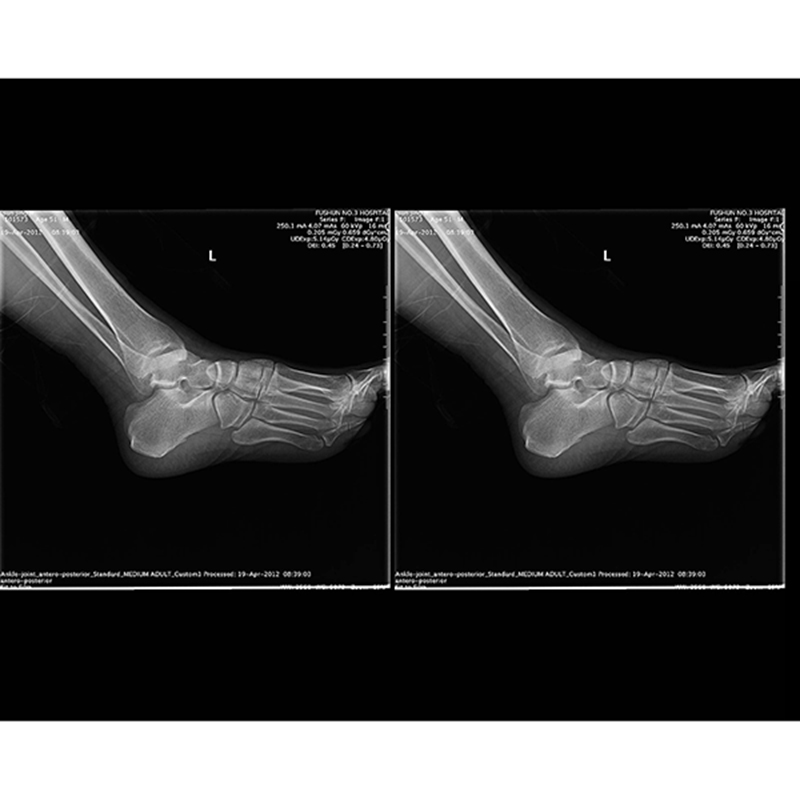


Digitizing Radiographic Film Ahead of the Curve Winning in 2025
As the healthcare sector continues to evolve, the transition from traditional radiographic film to digital imaging solutions appears not just advantageous but imperative for facilities aiming to stay relevant by 2025. Embracing the digitalization of radiographic film offers numerous benefits, including enhanced image quality, streamlined workflows, and reduced storage costs. Digital images can be easily shared across departments and institutions, enabling faster diagnosis and more efficient collaboration among healthcare professionals. This seamless integration of technology in medical imaging marks a significant leap towards providing high-quality patient care. Moreover, the shift to digital imaging systems aligns with the increasing demand for data security and compliance with regulations. Digital records are inherently more secure than their physical counterparts, as they can be encrypted and backed up to safeguard against data loss. For global buyers, investing in cutting-edge digital radiography technology not only supports compliance with international standards but also positions their facilities to meet the rising expectations of patients for faster, more accurate diagnostics. As we approach 2025, the competitive landscape in healthcare technology calls for proactive strategies that harness digital advancements. By capitalizing on the digitization of radiographic film, organizations can improve operational efficiency and ultimately enhance the patient experience. Choosing the right partner for this transition is crucial; look for companies committed to innovation and customer support to ensure a successful migration to digital radiography, setting the stage for growth and excellence in the coming years.
Digitizing Radiographic Film Ahead of the Curve Winning in 2025
| Dimension | Description | Impact by 2025 |
|---|---|---|
| Digital Workflow Optimization | Transitioning from film-based to digital imaging workflows. | Increased efficiency and reduced turnaround times. |
| Data Management | Enhanced storage solutions for imaging data. | Easier access to patient records and imaging history. |
| Regulatory Compliance | Meeting industry standards for digital imaging. | Reduction in legal risks and improved safety standards. |
| Training and Development | Investment in training staff on new technologies. | Improved skill sets leading to higher quality care. |
| Patient Engagement | Utilizing digital tools to engage patients. | Increased patient satisfaction and adherence to treatments. |
Related Products

Digitizing Radiographic Film Application Leads the Global Market
Top Selling Products
- Related Blog
- Reviews
